


Field guide
Sun and Heat Safety for a Morning on an Open Beach
An open shoreline is one of the harshest places to spend a few hours working. There is no shade, sand and water reflect light back at you, and the sea breeze hides how much heat you are taking on. The precautions are simple, and the reason they get skipped is that the danger does not feel urgent until it is.
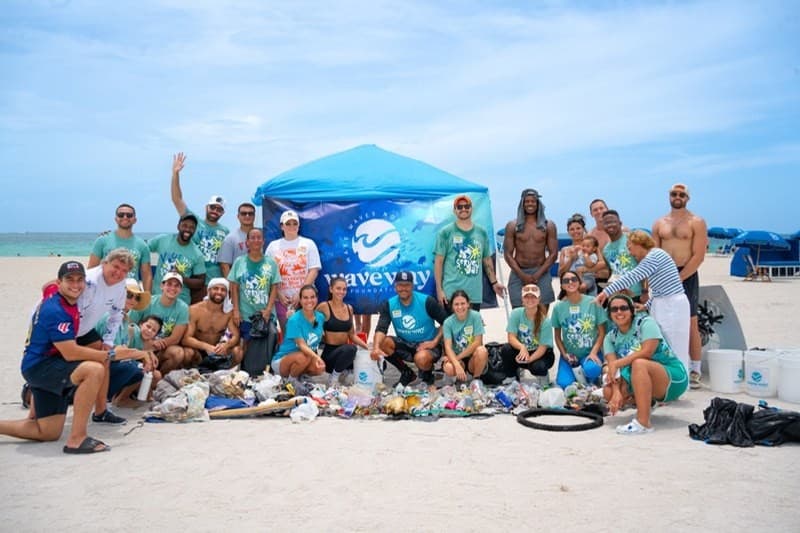
Why is a beach harder on you than it feels?
Because two of the warning signals are missing. Reflected light off sand and water raises your total ultraviolet exposure well above what the sky alone delivers, and a steady onshore breeze cools your skin while doing nothing to reduce heat load or fluid loss.
The reflection effect is the part people underestimate. You are exposed from above and from below at the same time, which is why shaded areas on a beach still burn people and why the undersides of arms and chins catch sun in a way they never do inland.
The breeze problem is more dangerous. Moving air evaporates sweat quickly, so skin feels cool and dry. That comfort is misleading: the sweat still left, the fluid is still gone, and the usual internal cue that you are overheating arrives late.
Add bending, lifting and walking on soft sand, which is harder work than the same distance on a firm surface, and the actual exertion is higher than a slow walk along a beach appears to be.
When should a cleanup be scheduled?
Early morning, and finished before the middle of the day. Ultraviolet intensity and air temperature both peak around the early afternoon, so a morning start does more for safety than any amount of equipment. In hot months this is the single most effective decision available.
Timing is a structural fix rather than a personal one. Sunscreen, hats and water all help individuals manage exposure. Starting at a sensible hour removes a large part of the exposure entirely, for everybody, without depending on anyone remembering anything.
The EPA publishes a UV Index that describes expected ultraviolet intensity for a location and day, and it is a more useful planning input than the temperature forecast, because burning risk and heat risk do not track each other exactly.
The National Weather Service issues heat advisories and warnings that account for humidity as well as temperature. In a humid coastal climate that combination matters: sweat evaporates poorly in high humidity, which is precisely when the body's main cooling mechanism becomes least effective.
If the forecast is genuinely severe, moving or shortening the event is the correct response. That decision is easier to make in advance than at the meeting point with people already assembled.
What should you wear and bring?
Cover more than feels necessary. A wide-brimmed hat, sunglasses, a long-sleeved lightweight layer and closed shoes protect better than sunscreen alone, because fabric does not wear off, get missed or need reapplying. Bring more water than you expect to drink.
Clothing is the most reliable protection because it does not depend on being applied correctly. A loose long-sleeved layer in a light fabric is cooler in direct sun than bare skin, which is counterintuitive until you have tried it.
Sunscreen still matters for what clothing does not cover. The FDA's guidance on sunscreen is the sensible reference for choosing and using one, and the two things people get wrong are quantity and reapplication rather than product choice.
Closed shoes are a safety item rather than a comfort one. Broken glass, sharp metal and buried debris are exactly what a cleanup is there to collect, and sandals leave the top of the foot exposed to everything the sand is hiding.
On water: bring your own, in a refillable bottle, and more than you think. Thirst lags behind fluid loss, and on a windy shoreline it lags further than usual.
- Wide-brimmed hat, not a cap, so ears and the back of the neck are covered
- Sunglasses, because reflected glare off sand and water is relentless
- Lightweight long sleeves rather than bare arms
- Closed shoes with a solid sole
- A refillable water bottle, filled before you arrive
- Sunscreen for hands, face and anything clothing leaves out
How much water do you actually need?
Enough that you are drinking steadily rather than in response to thirst, because thirst arrives after fluid loss has already begun. On a hot, windy shoreline the loss is faster than it feels, and the practical rule is to drink on a schedule and to arrive already hydrated.
Hydration advice tends to arrive as a number of litres, which is close to useless because the right amount depends on the person, the conditions and how hard they are working.
The more useful framing is behavioural. Drink before you leave home rather than starting the morning already down. Drink a little regularly throughout rather than a lot at the end. Treat thirst as a sign you left it slightly too long rather than as the trigger to start.
A refillable bottle is better than a small disposable one for a reason beyond the obvious: people ration a small bottle because they can see it running out, and rationing is exactly the wrong behaviour.
Where the work is prolonged and sweating is heavy, plain water alone can eventually become a problem, because sweat contains salt as well as fluid. This is why sustained hot-weather work is usually paired with something salty to eat or an electrolyte drink rather than water alone. For a two-hour morning, water and breakfast beforehand is generally enough.
How do you know when to stop?
Before you feel you need to. Stop working and get into shade at the first sign of a headache, dizziness, nausea, cramps, unusual fatigue or a change in how much you are sweating. Heat illness escalates, and the early stage is the point at which it is easy to reverse.
The important thing to understand is the direction of travel. Early heat illness makes people feel tired and slightly unwell, and the natural response is to push through and finish the bag. That instinct is the problem, because it turns a manageable situation into a serious one.
Signs to take seriously in yourself or somebody else include headache, dizziness, nausea, muscle cramps, confusion, a sudden drop in how much someone is sweating, and skin that has gone cool and clammy. Any of those means stop, get out of the sun, and take fluids.
Confusion or a change in behaviour is the one that should never be waited out. Heat stroke is a medical emergency, and the person experiencing it is the least reliable judge of their own condition.
For an organiser the practical version is: know where the shade is, keep water available, run the group in sight of each other, and be prepared to end the session early. A cleanup that stops an hour short because it got too hot is a cleanup that went correctly.
Why does one morning of sun exposure matter?
Because ultraviolet damage accumulates over a lifetime and does not reverse. The risk is not a single uncomfortable evening after a burn, it is the total dose across decades. Sunburns are the visible, memorable fraction of exposure that is happening whether or not skin reddens.
This is the part that is easy to discount, because the consequence is separated from the cause by years and there is no immediate feedback for getting it right.
Ultraviolet radiation damages skin cells directly. Most of that damage is repaired, and the repair is not perfect, and the errors accumulate. A burn is a sign that a large amount of damage happened at once, but exposure short of burning still contributes.
For anyone attending shoreline events regularly, the arithmetic changes. One morning a month for several years is a meaningful lifetime dose, and it is the kind of repeated, unremarkable exposure that does not feel like it needs managing.
The practical response is the same set of measures already described, applied habitually rather than on the days that look dangerous: cover up, schedule early, and use the shade that exists. Fabric and timing carry most of the load, and both are free.
It is also worth knowing what changed skin looks like, and getting anything new, growing or changing checked. That is a general health point rather than a cleanup one, but the population that spends a lot of time on beaches is exactly the population for whom it applies.
Frequently Asked Questions
Do I still need sunscreen if it is overcast?
Yes. Cloud reduces visible brightness far more than it reduces ultraviolet, which is why overcast days produce burns people did not expect. On a beach, reflected light off sand and water adds to that.
Is the sea breeze not enough to keep me cool?
It keeps your skin feeling cool, which is not the same thing. Moving air speeds evaporation, so you lose fluid faster while feeling more comfortable. That combination is what makes windy shorelines deceptive.
How much water should I bring?
More than you expect to need, and start drinking before you feel thirsty. Thirst is a lagging indicator, and a refillable bottle you can top up beats rationing a small one.
What should an organiser have on hand?
Shade, drinking water, a first aid kit, and a clear plan for who calls it if conditions get bad. Knowing the nearest shaded spot and having someone watching the group matters more than any single piece of equipment.
Sources
- US Environmental Protection Agency, Sun Safety
- US Environmental Protection Agency, UV Index Scale
- National Weather Service, Heat Safety
- US Food and Drug Administration, Sunscreen: How to Help Protect Your Skin from the Sun
Written by
The Humanity Cares team
Humanity Cares is a Miami 501(c)(3) that runs beach cleanups and cultural activations. This is general background reading on a subject the foundation works in. It describes no specific Humanity Cares event, and every figure in it is either attributed to a named organisation or left unstated.
Keep Reading
Field guide
How to Run a Beach Cleanup Safely
Permissions, the safety briefing, what volunteers should never pick up, how to handle sharps and wildlife, and how to close out a cleanup properly. Written for whoever is organising, not attending.
8 min read
Volunteering
Taking Children to a Beach Cleanup
What age a child can usefully take part, the safety rules that matter more with younger volunteers, how long to stay, and how to talk about the problem without leaving a seven year old frightened.
8 min read
Field guide
What to Bring to a Beach Cleanup
The short list of things that make a two-hour cleanup comfortable and safe, the gear that sounds useful and is not, and what organisers should supply rather than expect volunteers to bring.
7 min read