

Humanity Cares
The Blog
Background reading on the things a cleanup runs into: where shoreline litter comes from, what plastic does once it is in the water, why mangroves matter, and how to spend a morning on an open beach without hurting yourself.
Page 2 of 4
Local ecology
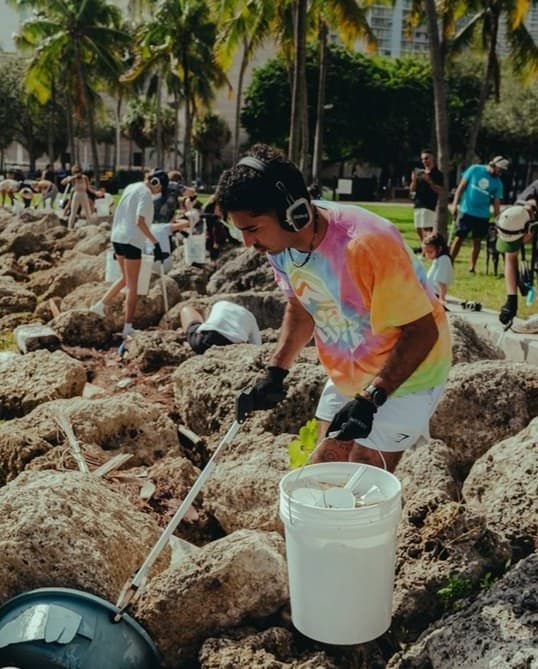
Sargassum on South Florida Beaches, and What Volunteers Should Do About It
The brown seaweed that piles up on South Florida beaches is habitat, not rubbish. Why it arrives, why it smells, what it traps, and the one job volunteers should actually be doing when it is there.
8 min read
Local ecology
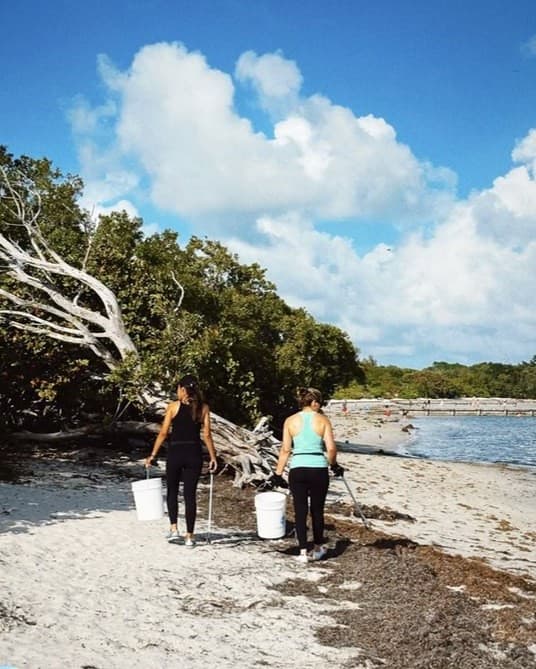
Why Biscayne Bay's Mangroves Matter
Mangroves hold the shoreline together, shelter juvenile fish and buffer storm surge. They also catch an extraordinary amount of plastic, which makes them delicate places to clean.
8 min read
Local ecology
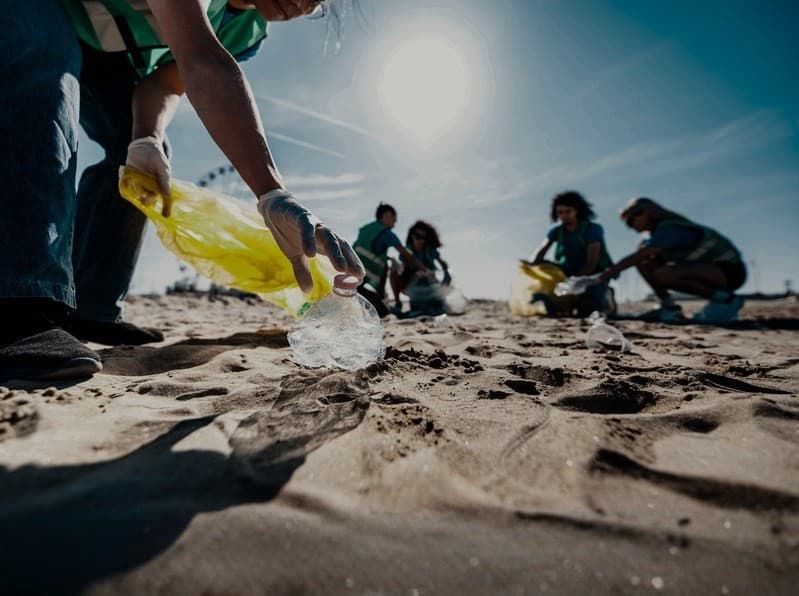
What Is Going On With Biscayne Bay's Water Quality
Nutrient pollution, seagrass loss and low oxygen are the bay's central problem, and plastic is a separate one. What each does, where the nutrients come from, and why the two get conflated.
7 min read
Local ecology
King Tides in Miami, and Why They Matter to a Beach Cleanup
King tides are the year's highest predicted tides. What causes them, why Miami floods on a clear day, what they do to storm drains and shorelines, and how they change where debris ends up.
8 min read
Local ecology
How Hurricane Season Moves Debris Onto Miami's Shoreline
A storm does not create litter, it relocates it. How surge, wind and rain move land-based waste into Biscayne Bay and onto beaches, and what volunteers should and should not do afterwards.
8 min read
Ocean literacy
Microplastics, Explained Without the Panic
What counts as a microplastic, where the fragments come from, how they get into water and food, and which parts of the science are settled versus still open.
8 min read
Want the story behind the foundation?
Kelly wrote about why she started Humanity Cares, what she saw diving in Indonesia and off South Florida, and why this is not really about the ocean.